 English
 русский
 Deutsch
Industry News

+86-576-85198260
Welcome to Linhai Jingda Arts & Crafts Co., Ltd.





Welcome to Linhai Jingda Arts & Crafts Co., Ltd.
Jan 29, 2026
When planning an outdoor living area, many homeowners find themselves comparing a backyard wooden pergola with a small yard gazebo as potential focal points for relaxation, entertainment, and value addition. Both options are widely discussed in home improvement communities and design forums, with users sharing candid perspectives on functionality, comfort, and day‑to‑day use. While each structure enhances outdoor space, the lifestyle you envision often dictates which is more suitable.
From aesthetic impressions to practical considerations like weather protection and maintenance, this guide explores real‑world experiences and helps you weigh the benefits of each structure so you can make an informed decision.
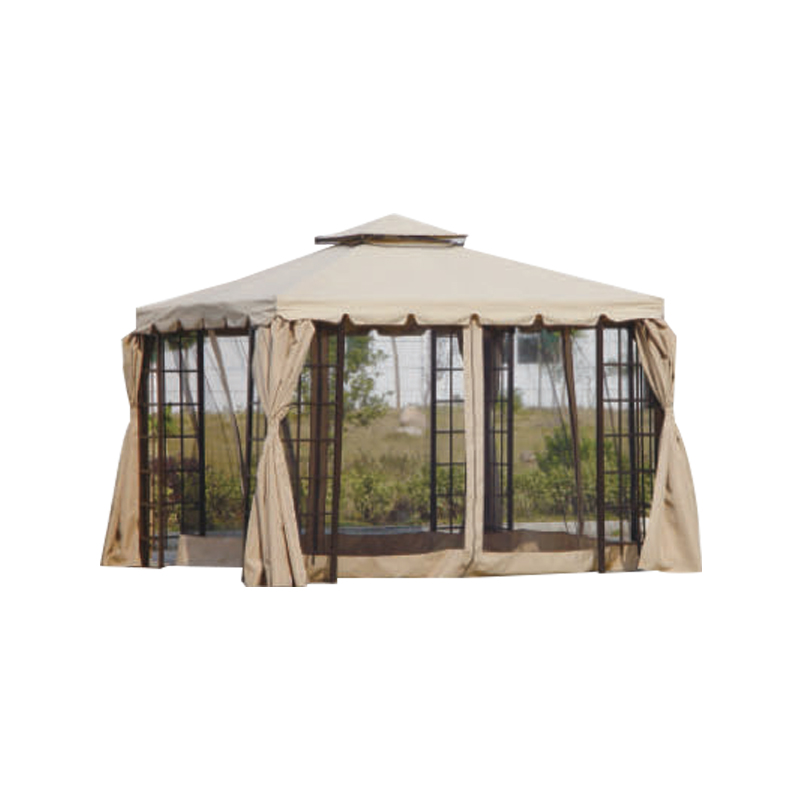
A pergola’s hallmark is its open, airy design. With vertical posts supporting an overhead lattice or beams, this type of structure creates defined outdoor areas while still preserving an open feel. Many users appreciate pergolas for their ability to blend into garden spaces, frame walkways, and support climbing plants that create natural shade and greenery. This open‑air structure enhances yard aesthetics without dominating the landscape.
In contrast, gazebos often serve as prominent architectural elements. With a solid roof and freestanding form, they can act as a dedicated outdoor “room,” a centerpiece that draws attention from multiple angles of the yard. Whether used for dining, quiet reading, or social gatherings, a well‑placed gazebo defines a space in a way that few other garden features can.
Your preference here may simply come down to visual style — do you want a structure that subtly enhances your outdoor scenery, or one that stands out and anchors your backyard experience?
One of the more practical differences between these outdoor structures is how they perform under varying weather conditions. A pergola’s slatted roof lets sunlight and breeze pass through, offering shade but limited shelter from rain. Many users enjoy this openness, especially in mild climates, because it encourages airflow and creates a relaxed environment. However, pergolas generally do not provide full protection against rain or strong sun without adding features like retractable canopies or shade cloths.
In comparison, a gazebo’s solid roof delivers a higher level of shelter from sun, rain, and even wind. This makes it easier to enjoy patio furniture, outdoor dining sets, or personal retreats regardless of weather conditions. For spaces where protection matters — such as areas prone to frequent rain — many homeowners find that a gazebo creates a more comfortable, year‑round destination.
The choice here boils down to how you plan to use the space: if shade and breezy openness are the priority, a pergola often fits that vision. If all‑weather comfort with a sense of enclosure is more important, the gazebo excels.
Privacy is another factor users often discuss. With open sides and overhead beams, pergolas feel naturally connected to the surrounding environment. You’re more exposed to wind, sunshine, and neighbors’ views — but you also feel immersed in your outdoor landscape. Many homeowners use curtains, climbing vines, trellises, or shade sails to add layers of privacy or visual screening where needed.
Gazebos, with more substantial structure and enclosed roofing, can be outfitted with curtains, screens, or even partial walls to create a more intimate setting. This helps block wind or stray sunlight and allows for spaces that feel cocooned and private. Such privacy features make gazebos excellent choices for reading nooks, outdoor lounges, or spaces where you want to encourage conversation away from distractions.
In terms of upkeep, pergolas and gazebos differ considerably because of their construction and exposure. Pergolas with open roofs tend to have fewer components that trap water or debris, making them easier to maintain. The absence of a solid roof means there’s no need to check shingles or deal with gutters, and routine care often focuses on wood conditioning and checking fasteners.
By contrast, gazebos — with enclosed roofs and often more complex architectural details — require periodic attention to roofing materials, sealing, and, in some cases, floor surfaces or screens. While these structures can provide shelter more consistently, their enclosed nature means there are more surfaces that benefit from seasonal maintenance to ensure longevity.
Understanding these trade‑offs helps you plan realistic care schedules that match your time and budget priorities.
Real conversations among homeowners underscore that the choice often comes down to specific needs and lifestyle goals:
Many users who enjoy gardening or want plants to integrate naturally into their outdoor space lean toward pergolas for their ability to support vines and greenery.
Those focused on comfort, outdoor dining, or multi‑season enjoyment frequently choose gazebos because the structure feels more like a usable room than an open frame.
Some homeowners combine features of both, adding shade sails over pergolas or placing a gazebo next to a pergola to create defined “zones” in larger yards. This hybrid approach lets you tailor each area to different experiences and weather patterns.
At Linhai Jingda Arts & Crafts Co., Ltd., we believe both options can transform outdoor living spaces. Consider how you plan to use your yard — whether for shade, shelter, privacy, or ambiance — and let that vision guide your choice. With thoughtful planning, your outdoor structure will become a space you enjoy for years to come.
Your email address will not be published. Required fields are marked *
Copright © Linhai Jingda Arts & Crafts Co., Ltd. All Rights Reserved.

Custom Outdoor Leisure Patio Furniture Products