 English
 русский
 Deutsch
Industry News

+86-576-85198260
Welcome to Linhai Jingda Arts & Crafts Co., Ltd.





Welcome to Linhai Jingda Arts & Crafts Co., Ltd.
Mar 06, 2026
Relaxing outdoor seating has become a popular feature in residential landscapes, especially with the growing interest in Garden Porch Swings and outdoor shade structures such as a Backyard Swing Pergola. These installations create a comfortable environment for reading, socializing, or simply enjoying fresh air. However, homeowners and property planners frequently raise a practical question: can a porch swing cause structural damage to the porch or supporting frame?
Understanding how weight, movement, and installation methods affect porch structures helps reduce risks and ensures a long service life for outdoor swing systems.
Why Structural Stress Occurs
Unlike a standard chair, a porch swing moves continuously. This motion creates dynamic force that places repeated stress on beams, joists, and mounting hardware. Over time, the constant shifting weight can affect structural components that were not originally designed to handle swinging loads.
Common causes of structural strain include:
Improper mounting locations
Porch swings attached to decorative beams or ceiling panels instead of structural joists may cause gradual loosening or cracks.
Insufficient load capacity
Many porch ceilings are designed for lighting fixtures rather than suspended furniture.
Dynamic weight changes
A swing carrying two or three people generates significantly more force during motion than during static sitting.
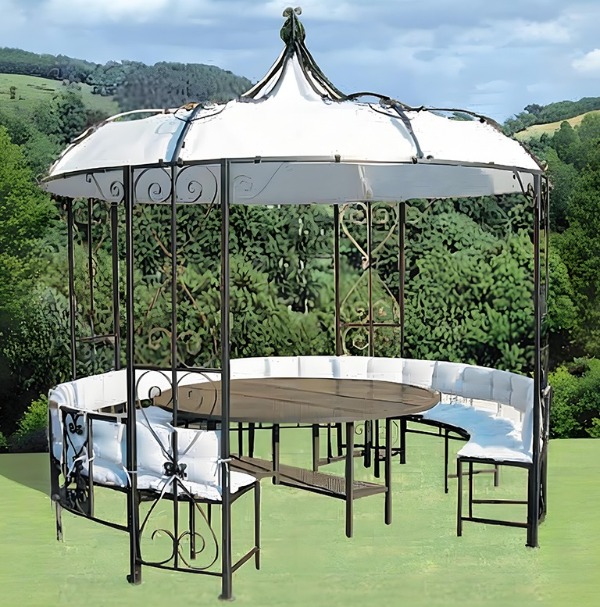
Outdoor structures like a Backyard Swing Pergola often address this concern by incorporating thicker beams and reinforced supports designed for hanging furniture.
Signs a Porch Structure May Be Under Stress
Homeowners sometimes overlook early warning signs. Monitoring the installation area helps prevent long-term structural issues.
Indicators may include:
Small cracks near mounting bolts or brackets
Visible bending or movement in wooden beams
Unusual creaking sounds during swinging
Hardware gradually loosening over time
Addressing these issues early can prevent larger repairs later.
Choosing the Right Mounting Location
Proper installation plays a key role in preventing damage. A swing should always be attached to load-bearing structural components, not decorative materials.
Recommended mounting points include:
Solid ceiling joists
Heavy wooden beams designed for load support
Metal brackets anchored directly into framing
Using mounting plates or swing hangers spreads weight more evenly across the structure.
In comparison, a Backyard Swing Pergola designed specifically for swing seating often includes reinforced overhead beams. This type of structure distributes load across posts and ground anchors, which reduces stress on a house porch.
Hardware and Material Considerations
Selecting appropriate hardware helps maintain stability and safety.
Key components include:
Galvanized or stainless steel eye bolts
Heavy-duty swing hangers with bearings
Corrosion-resistant chains or ropes
Lock nuts and washers for secure fastening
Outdoor exposure also matters. Weather conditions such as moisture and temperature changes can gradually weaken untreated hardware or wood components.
Design Approaches That Reduce Risk
Several design strategies help ensure long-term durability for outdoor swing installations.
Reinforced ceiling beams
Additional framing can strengthen older porches before installing a swing.
Freestanding swing frames
Some homeowners choose independent structures rather than attaching swings directly to the porch.
Pergola-based swing systems
A dedicated Backyard Swing Pergola distributes weight through multiple vertical posts anchored into the ground.
Manufacturers such as Linhai Jingda Arts & Crafts Co., Ltd. often design outdoor swing products with reinforced frames and balanced seating structures that help reduce uneven stress during use.
Maintenance Tips for Porch Swings
Regular inspection ensures the swing and supporting structure remain in good condition.
Suggested maintenance steps:
Check mounting bolts every few months
Tighten loose hardware
Inspect wood beams for cracks or moisture damage
Replace worn chains or connectors
Outdoor furniture exposed to rain or sunlight benefits from occasional cleaning and protective coatings as well.
Planning a Long-Lasting Outdoor Swing Area
Comfortable outdoor seating continues to influence garden design trends. A well-installed swing can provide years of enjoyment without damaging surrounding structures.
Homeowners exploring Garden Porch Swings often compare installation options, especially when considering whether a freestanding Backyard Swing Pergola might offer better support than attaching a swing directly to an existing porch.
Design teams, contractors, and outdoor furniture manufacturers such as Linhai Jingda Arts & Crafts Co., Ltd. frequently recommend evaluating structural capacity before installation. Careful planning, durable materials, and periodic maintenance all contribute to a safer and more stable outdoor relaxation space.
A thoughtfully designed swing area not only enhances comfort but also protects the integrity of the porch or pergola structure supporting it.
Your email address will not be published. Required fields are marked *

Copright © Linhai Jingda Arts & Crafts Co., Ltd. All Rights Reserved.

Custom Outdoor Leisure Patio Furniture Products