English
 русский
 Deutsch
Industry News

+86-576-85198260
Welcome to Linhai Jingda Arts & Crafts Co., Ltd.





Welcome to Linhai Jingda Arts & Crafts Co., Ltd.
Mar 13, 2026
Outdoor play spaces are increasingly becoming a central feature in modern homes. A relaxing seating area that combines shade and movement often includes Garden Porch Swings, while larger outdoor installations may feature a Backyard Swing Pergola designed for family use. Parents frequently ask an important question before installing one of these structures: is a pergola swing safe for children?
Safety depends on several factors such as structural design, installation methods, materials, and supervision. Understanding these factors helps families create an outdoor environment where children can enjoy swinging while minimizing risks.
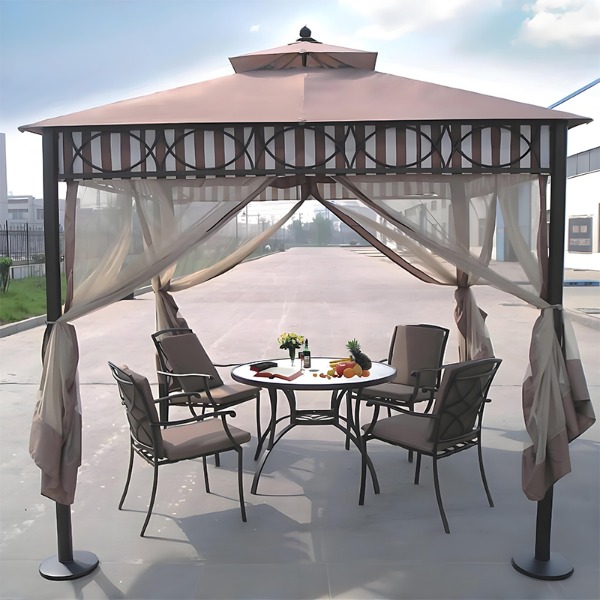
Structural Strength Is the primary Consideration
Pergolas are traditionally designed as shade structures rather than playground equipment. Installing a swing adds dynamic movement, which creates additional stress on beams and posts. The swinging motion produces forces that travel through the structure and down into the supporting columns and ground foundation.
Children may swing energetically, and the repeated motion increases structural stress over time. This means the beam used to hang the swing must be strong enough to support both the weight of the child and the extra force generated during movement.
Typical safety recommendations include:
Use reinforced overhead beams
Ensure the pergola posts are securely anchored to the ground
Confirm the structure can support dynamic loads of several hundred pounds
Outdoor swing structures commonly support around 500–600 pounds of total load capacity to account for movement and multiple users. ()
Proper Installation Reduces Safety Risks
Incorrect installation is one of the main reasons accidents occur with outdoor swings. Hardware and mounting locations must be carefully selected to support both weight and movement.
Important installation steps include:
Attaching swing hangers directly into load-bearing beams
Using heavy-duty eye bolts or professional swing hangers
Avoiding decorative or thin pergola rafters for mounting
Installing washers and locking nuts to prevent loosening
Community discussions among homeowners also highlight that through-bolted eye bolts with large washers tend to hold up better than simple lag screws when swings are used frequently.
These installation practices help distribute weight more evenly and reduce the chance of structural fatigue.
Allow Enough Clearance Around the Swing
Safety space is another key factor that parents sometimes overlook. A swing requires open space in front and behind the seat so children can move freely without hitting obstacles.
Typical recommendations include:
At least 6 feet of clearance in front and behind the swing
Adequate distance from pergola posts, walls, or furniture
Level ground surfaces under the swing
Soft ground coverings such as outdoor rugs or rubber mats can also help reduce injury risks from accidental falls.
Choosing Child-Friendly Swing Designs
Different swing styles offer different levels of safety for young users. Some designs are better suited for children than others.
Popular options include:
Bucket swings
These provide back support and safety harnesses for toddlers.
Wide saucer swings
Large circular seats allow children to sit or lie down while swinging and often support higher weight limits.
Bench-style swings
These resemble Garden Porch Swings and are typically more suitable for older children and adults.
Manufacturers often design children’s swings with softer materials and padded surfaces to reduce the chance of injury during play.
Supervision and Safe Swing Habits
A safe structure still requires responsible use. Teaching children proper swing behavior is essential.
Basic safety rules include:
Always sit while swinging
Hold the chains or ropes with both hands
Avoid jumping from a moving swing
Limit rough pushing or standing on the seat
Adult supervision remains one of the more effective ways to reduce accidents during outdoor play.
Routine Maintenance Is Often Overlooked
Outdoor equipment faces constant exposure to weather conditions such as rain, sunlight, and temperature changes. Regular inspection ensures the swing remains safe for long-term use.
Maintenance checks should include:
Inspecting chains and bolts for rust
Tightening loose hardware
Looking for cracks in wooden beams
Checking ropes for fraying or wear
Periodic inspection of mounting points is especially important because movement gradually loosens hardware over time.
Creating a Child-Friendly Outdoor Swing Area
Outdoor relaxation and play areas continue to evolve as families invest more in backyard living spaces. A carefully designed Backyard Swing Pergola can serve as both a shaded seating area and an engaging play spot for children.
Combining durable construction with safe installation practices allows Garden Porch Swings and pergola swings to coexist in a family-friendly outdoor setting. Companies such as Linhai Jingda Arts & Crafts Co., Ltd. often design outdoor swing products with reinforced frames and balanced seating structures that help support long-term use.
With thoughtful planning, proper hardware, and regular inspection, a backyard swing pergola can become a comfortable and safe place where children and adults enjoy time outdoors together.
Your email address will not be published. Required fields are marked *
Copright © Linhai Jingda Arts & Crafts Co., Ltd. All Rights Reserved.

Custom Outdoor Leisure Patio Furniture Products