English
 русский
 Deutsch
Industry News

+86-576-85198260
Welcome to Linhai Jingda Arts & Crafts Co., Ltd.





Welcome to Linhai Jingda Arts & Crafts Co., Ltd.
Feb 06, 2026
Choosing the right Outdoor Patio Pavilion for your backyard or garden space means thinking beyond looks. An Aluminum Alloy Pavilion can elevate your outdoor area, but many users raise practical questions about how such structures perform during strong weather conditions like wind and rain. At Linhai Jingda Arts & Crafts Co., Ltd., we’ve seen that understanding these performance factors is just as important as the style and material you choose.
One common question homeowners have is whether their Outdoor Patio Pavilion can truly withstand heavy wind and driving rain. Real-world experiences suggest that without proper design and installation, rain can be blown sideways under a patio cover, causing wet furniture and soggy floors. Some have found that even well-built structures still get wet during storms because rain travels with wind, not just straight down.
This concern is especially relevant for Aluminum Alloy Pavilion designs, which are popular because aluminum resists rust and decay far better than wood or steel in outdoor environments. Aluminum’s corrosion resistance means it won’t rot or attract insects, and it typically needs less regular upkeep compared with other materials.
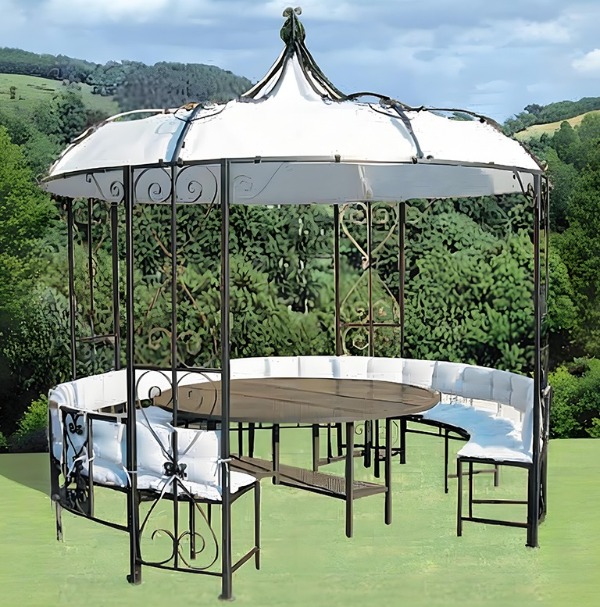
Wind resistance is another key concern for people considering an Outdoor Patio Pavilion. Some outdoor owners report that lighter structures can sway or even feel unstable in strong gusts. While an aluminum structure has inherent strength advantages, ensuring a secure foundation and proper anchoring is essential. Heavy winds can exert uplift forces on the pavilion roof and frame, so many installers recommend anchoring to concrete pads or using reinforced brackets when possible.
There are practical design strategies you can consider:
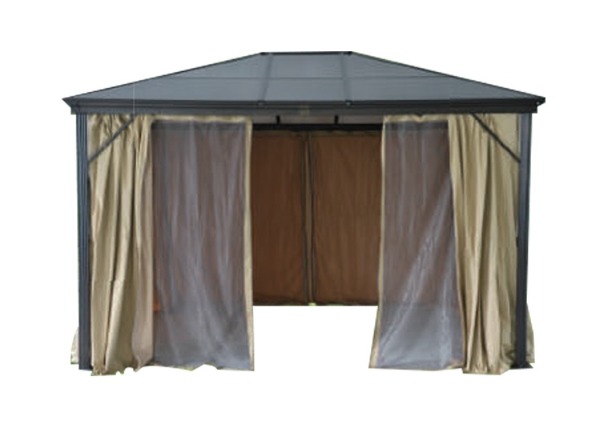
Extended overhangs and side panels: Increasing the length of roof overhangs or adding side curtains can help reduce rain blown in by wind.
Integrated drainage channels: Many Aluminum Alloy Pavilion designs now include internal gutters or drainage solutions to guide rainwater away.
Attachment points for panels: Some users install roll-down weather curtains to close gaps when storms roll in.
These adaptations can significantly enhance performance during bad weather without detracting from the aesthetics of your Outdoor Patio Pavilion.
Proper installation plays a large role in how well your structure handles wind and rain. Even though aluminum is lighter than steel, that doesn't mean it should be loosely anchored or put up without professional guidance. A stable base and secure fasteners help prevent movement or uplift during inclement weather.
It’s also worth noting that maintenance, while generally lower for aluminum compared with wood, still matters. Keeping joints tight and checking seals annually can prevent loose connections that might worsen during storms.
For anyone planning to install an Outdoor Patio Pavilion:
Evaluate local wind patterns and rainfall intensity before choosing your design.
Consider pre-installed drainage or gutter systems for rain control.
Ask your installer about anchoring options that match your soil or patio surface.
An Aluminum Alloy Pavilion paired with thoughtful design and installation can handle wind and rain far better than many traditional materials. These structures combine durability with style, providing an outdoor space that enhances your home. Through careful planning and appropriate enhancements like drainage and anchoring, you can enjoy your outdoor living area even during unpredictable weather.
Your email address will not be published. Required fields are marked *
Copright © Linhai Jingda Arts & Crafts Co., Ltd. All Rights Reserved.

Custom Outdoor Leisure Patio Furniture Products