English
 русский
 Deutsch
Industry News

+86-576-85198260
Welcome to Linhai Jingda Arts & Crafts Co., Ltd.





Welcome to Linhai Jingda Arts & Crafts Co., Ltd.
Mar 20, 2026
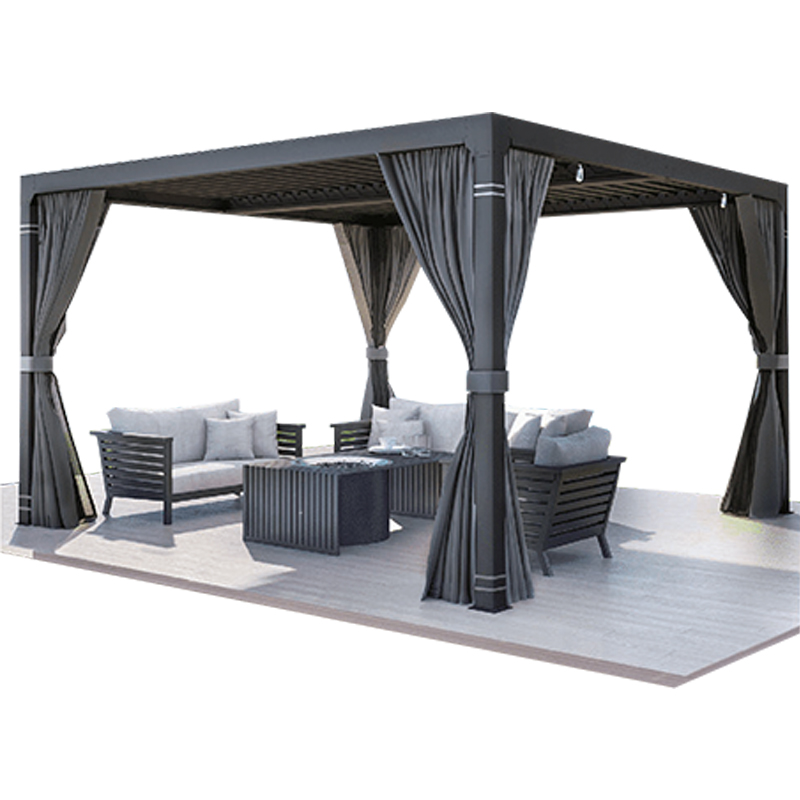
Creating a comfortable outdoor retreat has become a popular goal for many homeowners. Features like Garden Porch Swings combined with a Backyard Swing Pergola offer a relaxing place to unwind, enjoy fresh air, and spend time with family or friends. When planning this type of setup, one important consideration often comes up: how much weight can a swing pergola safely support?
Understanding weight capacity involves more than just the swing seat. Structural beams, mounting hardware, and the dynamic forces produced by motion all influence the total load a pergola must handle.
Typical Weight Capacity of Outdoor Swings
Outdoor swing seating is designed with different load limits depending on size and materials. Standard porch swing models intended for two adults usually support between 400 and 600 pounds, while larger three-seat designs may handle 600 pounds or more.
Some heavy-duty garden swings can support even higher loads, especially when reinforced frames or metal structures are used.
Typical examples include:
Single-seat swings: around 250–350 lbs
Two-seat porch swings: about 450–550 lbs
Three-seat models: often 500–750 lbs depending on construction
These numbers represent the swing seat itself. The pergola or ceiling structure must also be capable of carrying that weight safely.
Static Weight vs Dynamic Load
Weight capacity is often misunderstood because people think only about the static weight of the users. In reality, swinging motion creates additional force.
A person weighing 200 pounds may produce a significantly higher load while swinging due to acceleration and movement. Dynamic force can increase the effective weight by 30% or more, which means structures should include a safety margin.
Because of this, installation guidelines often recommend using only about 75–80% of the maximum rated capacity during normal use.
This safety buffer helps prevent damage to beams, chains, and mounting points over time.
Structural Elements That Influence Load Capacity
A pergola designed to support a swing requires several strong structural components. Each part contributes to the overall stability of the system.
1. Overhead Beams
The beam where the swing hangs carries the majority of the load. Thick wooden beams or reinforced steel crossbars are commonly used for this purpose.
2. Support Posts
Vertical posts distribute weight into the ground foundation. Posts that are securely anchored into concrete or metal footings provide greater stability.
3. Mounting Hardware
Chains, ropes, and eye bolts also have load ratings. Some standard swing chains support hundreds of pounds, while larger chain sizes can handle over 1000 pounds depending on their specifications.
Strong hardware prevents stress from concentrating in a single connection point.
Clearance and Space Planning
Beyond load capacity, spacing also influences safe operation. Swing movement requires sufficient room in front and behind the seat.
Typical spacing recommendations include:
Around 3–4 feet of clearance in front and behind the swing
Adequate distance from pergola posts or railings
Seat height around 17–19 inches above the ground for comfortable use
Adequate spacing allows smooth motion without hitting surrounding structures.
Design Choices That Improve Strength
Outdoor structures designed specifically for swings usually incorporate additional reinforcement.
Common design improvements include:
Double beams or laminated beams for extra strength
Steel reinforcement brackets
Ground anchors or concrete footings
Multi-point suspension systems
These design elements help distribute weight evenly across the pergola frame.
Manufacturers such as Linhai Jingda Arts & Crafts Co., Ltd. often integrate reinforced frames and durable hanging components into their outdoor swing designs to support long-term outdoor use.
Maintenance Also Affects Load Safety
Weather exposure gradually affects outdoor materials. Rain, humidity, and sunlight can weaken wood fibers or cause metal hardware to corrode.
Routine inspection should include:
Checking bolts and eye hooks for loosening
Inspecting chains or ropes for wear
Looking for cracks in beams
Ensuring ground anchors remain secure
Regular maintenance helps maintain the structural strength required for a safe swinging experience.
Planning a Stable Garden Swing Structure
Comfortable outdoor seating is becoming a defining feature of backyard design. Installing Garden Porch Swings beneath a Backyard Swing Pergola can create a relaxing space that blends shade, movement, and decorative landscaping.
However, the structure must be designed with adequate load capacity in mind. Considering swing weight limits, dynamic forces, and reinforced beams ensures that the pergola can support daily use without unnecessary stress.
Outdoor furniture manufacturers such as Linhai Jingda Arts & Crafts Co., Ltd. continue developing swing structures that combine durable materials with balanced engineering. With proper planning, installation, and maintenance, a pergola swing area can remain both stable and enjoyable for years.
Your email address will not be published. Required fields are marked *
Copright © Linhai Jingda Arts & Crafts Co., Ltd. All Rights Reserved.

Custom Outdoor Leisure Patio Furniture Products