English
 русский
 Deutsch
Industry News
Home / News / Industry News / Wrought Iron Gazebo Customization for Distinctive Outdoor Living Spaces

Welcome to Linhai Jingda Arts & Crafts Co., Ltd.





Oct 23, 2026
Outdoor design projects increasingly require structures that fit specific site dimensions, architectural styles, and customer expectations. A Wrought Iron Gazebo offers flexibility through decorative metalwork, roof configurations, finishes, and structural dimensions. For garden furniture distributors, landscape designers, hospitality developers, and importers, the challenge is choosing customization options that improve the final result without creating unnecessary production complexity or installation difficulties.
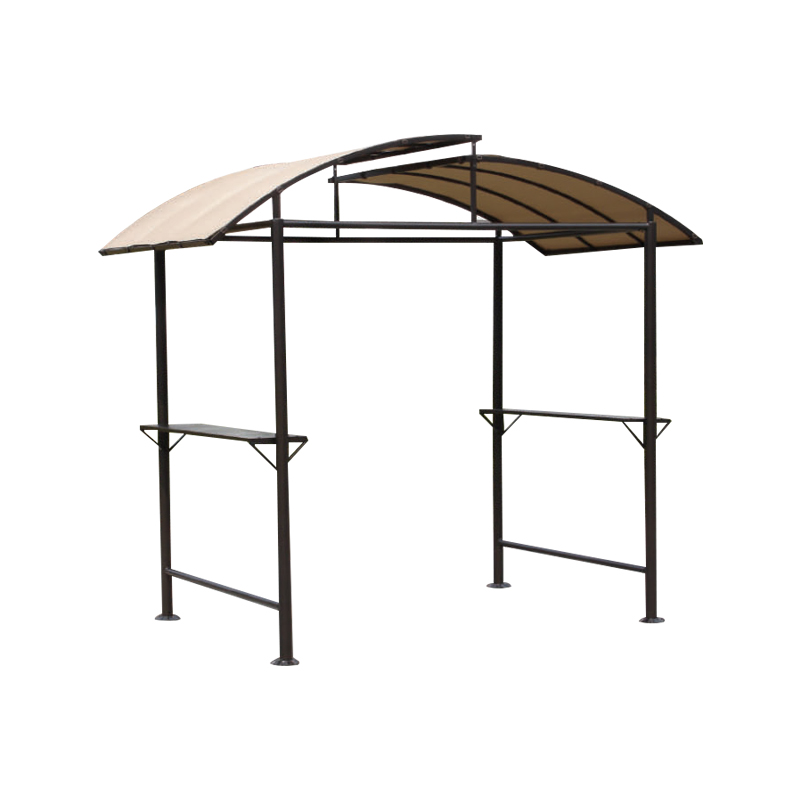
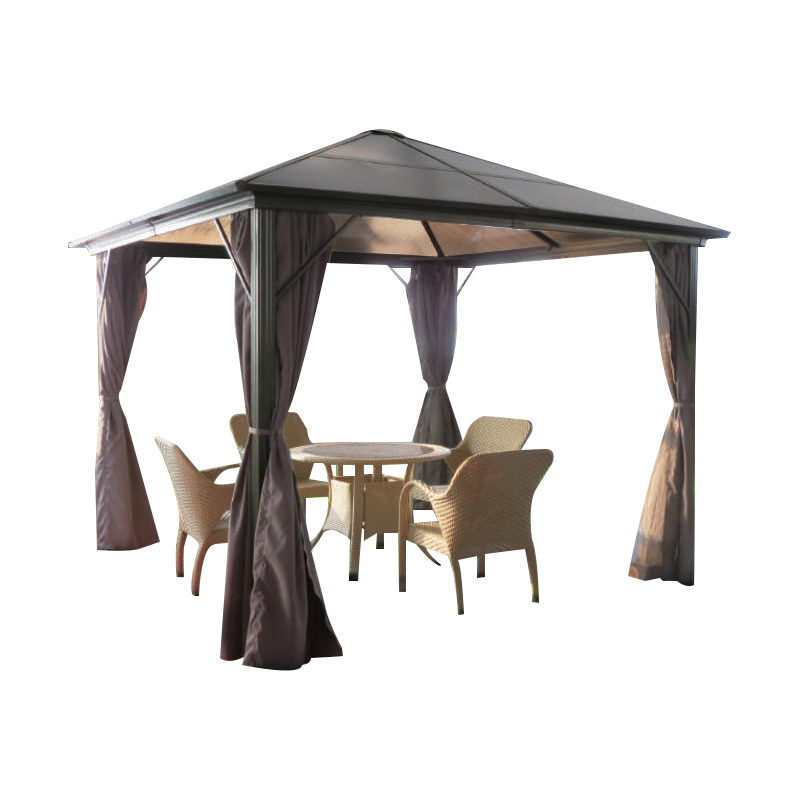
Decorative ironwork can influence the character of an entire outdoor space. Curved scrolls and ornamental panels suit traditional gardens, while simpler geometric patterns can complement contemporary residential developments and commercial landscapes.
When selecting a design, consider the surrounding architecture, paving materials, outdoor furniture, and existing landscape features. Excessive ornamentation may compete with other visual elements, whereas a balanced pattern can create a distinctive focal point without overwhelming the space.
As a manufacturer, we recommend confirming the preferred style through reference images or preliminary drawings. This gives the production team a clearer understanding of the desired appearance and reduces the likelihood of misunderstandings during fabrication.
Standard gazebo sizes can simplify purchasing, but some projects require customized dimensions to accommodate existing pathways, seating arrangements, or restricted installation areas.
Before requesting a quotation, buyers should provide accurate site measurements and identify any nearby obstacles, including walls, trees, lighting fixtures, and drainage channels. The available footprint should include sufficient clearance for access and routine maintenance.
It is also important to distinguish between overall roof dimensions and usable interior space. Roof overhangs, support posts, and decorative elements can affect how much room remains for furniture and movement. Reviewing dimensioned drawings before production helps ensure that the finished structure suits its intended application.
Color selection is not purely decorative. The finish also forms part of the gazebo's protection against environmental exposure, and its suitability depends on the coating system and the conditions at the installation site.
Black and other dark finishes can emphasize ornamental details, while lighter colors may coordinate more naturally with certain architectural palettes. Buyers should evaluate finish samples under realistic lighting conditions because the appearance of a coating can vary between indoor samples and outdoor installations.
For projects exposed to frequent rain, high humidity, or coastal air, ask the manufacturer to specify the proposed surface preparation and corrosion-protection system. A decorative finish should be selected alongside its maintenance requirements rather than considered separately.
Changes to dimensions, roof geometry, or decorative components may affect more than appearance. They can influence component weight, connection details, manufacturing methods, and the structural loads transferred to the foundation.
Before approving modifications, buyers should confirm that the design has been reviewed for its intended application. Important considerations include:
This review helps prevent attractive design changes from becoming installation or performance problems later.
International purchasing often involves several parties, including importers, project managers, freight providers, and local installation teams. Clear documentation helps keep these parties aligned throughout the order process.
A useful customization brief should include the required dimensions, finish preference, intended application, installation location, and reference drawings where available. Buyers should also confirm assembly requirements, packaging arrangements, hardware inclusion, and the documentation supplied with the product.
From a manufacturing perspective, complete specifications make it easier to assess feasibility, prepare accurate quotations, and identify potential conflicts before production starts. They also provide a shared reference when reviewing samples or approving final drawings.
Customized ironwork may require additional drawing approval, material preparation, fabrication, and finishing compared with an available standard model. International shipping introduces further considerations because packaging dimensions, component weight, and unloading arrangements can affect logistics planning.
Buyers should confirm the production schedule only after the main specifications and approval requirements are established. If the gazebo will be installed as part of a larger landscaping project, coordinate its delivery with foundation preparation and the availability of the installation team.
Early planning helps reduce storage difficulties and limits the risk of receiving components before the site is ready.
Successful customization depends on balancing design preferences with manufacturing feasibility, structural requirements, and practical installation needs. Accurate measurements, compatible finishes, and clear technical communication can help buyers avoid unnecessary revisions while achieving a cohesive outdoor design.
When sourcing a Wrought Iron Gazebo, overseas buyers should look for a manufacturer that can explain available customization options and provide clear product specifications. A well-planned design process helps distributors, contractors, and property developers select an outdoor structure that reflects their project vision while remaining practical to produce, install, and maintain.
Your email address will not be published. Required fields are marked *
Copright © Linhai Jingda Arts & Crafts Co., Ltd. All Rights Reserved.

Custom Outdoor Leisure Patio Furniture Products