English
 русский
 Deutsch
Industry News

+86-576-85198260
Welcome to Linhai Jingda Arts & Crafts Co., Ltd.





Welcome to Linhai Jingda Arts & Crafts Co., Ltd.
Feb 26, 2026
Planning an Outdoor Patio Pavilion can be exciting, but many homeowners soon realize that it’s not just about choosing a stylish design or durable materials like those used in an Aluminum Alloy Pavilion. One question that often comes up is: What are the permit and regulatory concerns when installing a patio pavilion on your property? Knowing the answers can help you avoid costly delays, fines, or code violations and make your outdoor living area both beautiful and compliant with local regulations.
One of the initial things many people ask before setting up their Outdoor Patio Pavilion is whether they need a building permit at all. In many regions, adding a pavilion or patio cover is treated similarly to other accessory structures like decks, sheds, or gazebos. For example, in California, patio covers (which can include pavilion structures) are defined as roofed structures used for outdoor living and often require permits if they exceed certain criteria, such as height or coverage area.
In some cities, smaller patio covers may be exempt from permits—San Diego notes that structures under 300 square feet might not require a building permit, although electrical, plumbing, or mechanical permits could still apply. This means that even if your pavilion is under a specific size, you may still need approval for any integrated lighting, fans, or outdoor electrical fixtures.
In other locales within the U.S., detached patio covers or pavilion additions over 120 square feet typically require a building permit. Permitting criteria can also vary by zoning, lot setbacks, and homeowner association (HOA) rules, adding another layer of complexity—especially in planned communities.
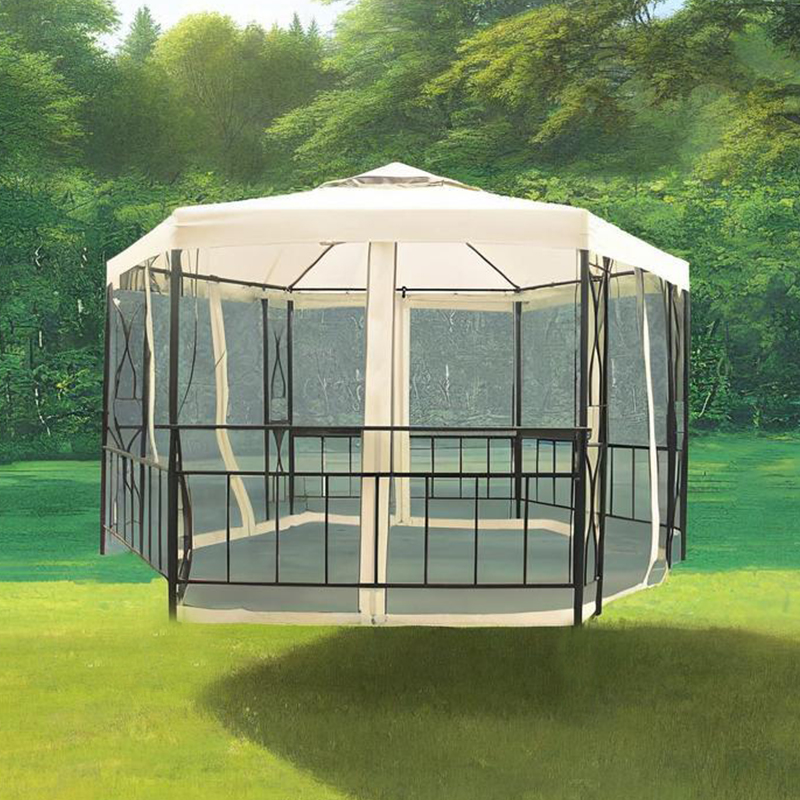
Some homeowners might wonder why permits matter for structures like an Outdoor Patio Pavilion. The answer is that building permits aren’t just bureaucratic red tape—they ensure that your structure meets local safety and zoning codes. Without proper permits, you could face stop-work orders, fines, or even be forced to remove the structure later on.
Moreover, permits often require submittal of engineering plans or site plans that demonstrate compliance with load requirements and structural safety. In cities like Irvine, California, different regulations apply depending on the style of cover you’re installing. Open-lattice patio covers might require simpler approvals, while solid or custom designs may need stamped engineer drawings and thorough plan checks before construction can proceed.
In some locales, a separate zoning clearance may be required before building permits are issued. This can include checks for property setbacks from boundaries, height restrictions, and whether your Outdoor Patio Pavilion adheres to neighborhood design standards.
Several issues commonly arise during the patio pavilion permitting process:
Skipping early inquiries with local agencies – Many homeowners jump straight into ordering materials or scheduling builders without verifying permit needs. This can cause to surprises when a city inspector flags the work mid-construction or after completion.
Underestimating HOA or CC&R requirements – Even if a city doesn’t require a permit, your HOA or neighborhood covenants may have their own approval processes.
Misinterpreting what counts as “attached” or “detached” – Patio overhangs or pergola installations attached to a home’s existing structure often fall under stricter building permit rules compared with freestanding structures.
Ignoring utility installations – Adding electrical outlets, lights, or fans to your pavilion can turn a simple structure into a project requiring multiple permits, including electrical or mechanical permits.
Some people share real-world experiences where misunderstandings about permits caused problems. For example, one homeowner found that a pavilion needed professional drawings stamped by an engineer to comply with local code, which was something they hadn’t anticipated at the outset. Others have reported receiving stop-work orders or compliance actions for installing structures without the necessary approvals. These stories emphasize why it’s crucial to research your local requirements before construction begins.
To make your pavilion project go more smoothly, consider these steps:
An Outdoor Patio Pavilion is more than just a decorative addition—it’s a constructed element that often triggers specific municipal and zoning rules designed to ensure safety and compliance. Understanding permit requirements before you start can save you time, money, and stress. At Linhai Jingda Arts & Crafts Co., Ltd., we encourage thoughtful planning for both design and regulatory requirements so that your pavilion enhances your outdoor space without unexpected issues.
Your email address will not be published. Required fields are marked *
Copright © Linhai Jingda Arts & Crafts Co., Ltd. All Rights Reserved.

Custom Outdoor Leisure Patio Furniture Products