English
 русский
 Deutsch
Industry News

+86-576-85198260
Welcome to Linhai Jingda Arts & Crafts Co., Ltd.





Welcome to Linhai Jingda Arts & Crafts Co., Ltd.
Jun 05, 2026
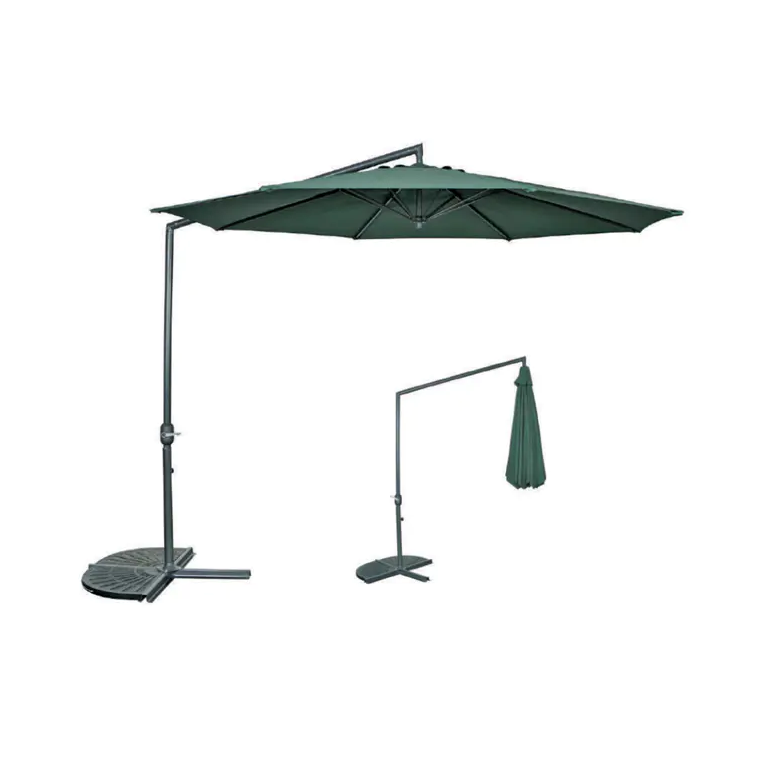
Creating a comfortable outdoor space often involves adding reliable shade that can handle changing weather conditions. When choosing an Outdoor Garden Umbrella, many buyers focus on appearance and size, but wind performance is also an important factor. A well-designed umbrella can provide shade while maintaining stability during everyday outdoor use. Understanding how an umbrella works together with a Patio Umbrella With Base can help users make a more informed choice.
Why Wind Resistance Is Important
Outdoor umbrellas are exposed to sunlight, rain, and occasional gusts of wind. Excessive movement can place additional stress on the canopy and frame, potentially affecting long-term performance. Wind resistance is not determined by a single feature. Instead, it depends on several design elements working together.
Evaluating these features before purchasing can help users select an umbrella that suits their outdoor environment and usage requirements.
Ventilated Canopy Designs
Many Outdoor Garden Umbrella models include a ventilated canopy. Small openings near the top allow air to pass through the fabric structure instead of becoming trapped underneath.
This airflow can help reduce pressure on the canopy during breezy conditions. In addition, ventilation may improve air circulation beneath the umbrella, creating a more comfortable seating area during warm weather.
Ventilated designs are commonly used in gardens, patios, poolside spaces, and outdoor dining areas.
Frame Materials and Structural Support
The frame serves as the foundation of the umbrella. Its material can influence both stability and durability.
Aluminum frames are popular because they combine light weight with corrosion resistance. They are often easy to move and maintain.
Steel frames offer a stronger and heavier structure. Protective coatings are commonly applied to help reduce exposure-related wear. Depending on the outdoor setting, either material can provide reliable support when properly maintained.
Rib Design and Flexibility
Umbrella ribs support the canopy and help maintain its shape. Their construction plays an important role in how the umbrella responds to wind.
Flexible ribs can absorb some wind force by allowing controlled movement rather than resisting every gust. This design approach may reduce stress on connection points and other structural components.
Larger umbrellas often use reinforced rib systems to provide additional support while maintaining stability.
The Role of a Stable Base
A secure support system is essential for overall umbrella performance. This is why many buyers carefully evaluate a Patio Umbrella With Base before making a purchase.
The base helps anchor the umbrella and reduce unnecessary movement. Different umbrella sizes require different levels of support, so selecting a compatible base is an important consideration.
Some bases use heavier materials, while others can be filled after installation. Properly matching the umbrella and base contributes to a more stable setup.
Placement and Everyday Care
The location of an umbrella can affect its exposure to wind. Areas protected by fences, walls, or landscaping may experience less direct airflow than open spaces.
Routine maintenance can also support long-term use. Cleaning the canopy, checking hardware connections, and inspecting moving parts can help keep the umbrella in good condition. During periods of strong wind, closing and securing the umbrella may help reduce strain on the structure.
Selecting Practical Wind-Resistant Features
Different outdoor environments have different requirements. Features such as ventilated canopies, durable frame materials, flexible rib systems, and suitable base support all contribute to wind performance.
Whether selecting an Outdoor Garden Umbrella for a garden seating area or comparing a Patio Umbrella With Base for a patio dining space, understanding these design elements can help users choose a shade solution that fits their outdoor needs.
Your email address will not be published. Required fields are marked *
Copright © Linhai Jingda Arts & Crafts Co., Ltd. All Rights Reserved.

Custom Outdoor Leisure Patio Furniture Products