English
 русский
 Deutsch
Industry News

+86-576-85198260
Welcome to Linhai Jingda Arts & Crafts Co., Ltd.





Welcome to Linhai Jingda Arts & Crafts Co., Ltd.
Jan 09, 2026
Installing a small yard gazebo in your outdoor space can transform a simple backyard into a cozy gathering area for relaxation and entertainment. Many homeowners also consider adding a backyard wooden pergola to provide shade and structure for climbing plants. However, one of the more common questions that surfaces early in planning is whether you need a building permit for these outdoor structures — and the answer depends on several factors.
Before installing any outdoor structure, it’s essential to understand local building regulations, zoning codes, and permit requirements. What may be permissible in one city or county could require approval in another.
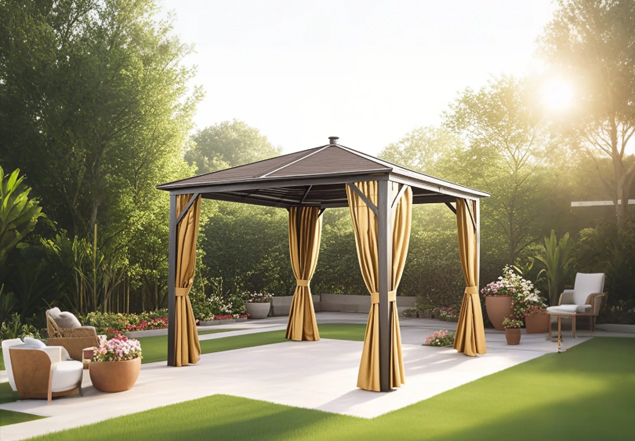
Even though gazebos and pergolas are often seen as decorative or accessory features in a yard, they still count as structures under many local building codes. Whether or not a permit is required usually depends on:
In some municipalities, even relatively small roofed structures must obtain approval before installation. For example, a local city government may treat accessory structures like a gazebo, pergola, or shed similarly — requiring an application and inspection if they exceed certain dimensions or if they are situated close to property boundaries.
One of the initial things to check with your local building or planning department is whether the size of your intended structure crosses the threshold for requiring a permit. In many areas:
For example, one local building authority explicitly lists sheds, gazebos, pergolas, and similar structures as requiring a permit unless they fall below the specified size and height limits.
Beyond size, zoning regulations also play a role in permitting decisions. These rules govern how far any structure must be set back from property lines, easements, sidewalks, and nearby buildings. Zoning codes are designed to ensure safety, preserve sightlines, and prevent disputes between neighbors.
A structure placed too close to a property line without appropriate setback clearance might require a variance or formal approval even if it’s otherwise under the permit size limit. In some communities, the setback distances vary depending on whether the structure is attached to the house or free-standing.
Whether a structure is considered “permanent” or “temporary” also affects permit requirements:
Even if your structure is under a size threshold for permits, adding electrical elements such as built-in lighting or ceiling fans almore always requires separate electrical permits and inspections for safety compliance.
Given the variability between cities, counties, and even homeowner associations (HOAs), the more reliable approach is to contact your local building department directly. more jurisdictions have clear checklists and application portals for accessory structure permits. In many places, you can start the process online, upload drawings, pay fees, and schedule inspections without leaving home.
It’s also worth reviewing HOA guidelines if your neighborhood has one. HOAs sometimes have stricter rules around structure placement, materials, and appearance than local building codes.
At Linhai Jingda Arts & Crafts Co., Ltd., we encourage homeowners to thoughtfully plan their outdoor projects. Whether you’re building for shade, beauty, or relaxation, knowing the rules ahead of time helps ensure a smoother build and lasting enjoyment of your new outdoor structure.
Your email address will not be published. Required fields are marked *
Copright © Linhai Jingda Arts & Crafts Co., Ltd. All Rights Reserved.

Custom Outdoor Leisure Patio Furniture Products