English
 русский
 Deutsch
Industry News

+86-576-85198260
Welcome to Linhai Jingda Arts & Crafts Co., Ltd.





Welcome to Linhai Jingda Arts & Crafts Co., Ltd.
Jan 16, 2026
Designing a backyard wooden pergola that feels natural, functional, and visually appealing isn’t always straightforward — especially when working with limited space or unique yard layouts. Meanwhile, many homeowners who are considering a small yard gazebo also find themselves asking similar design questions: How big should it be? What style fits with the home? Can the structure blend with existing landscaping? These concerns are not just aesthetic — they often influence long‑term comfort and satisfaction with the outdoor space.
One of the more frequently discussed design issues online involves how well a pergola fits with the rest of a property’s visual aesthetic. On design forums, some homeowners shared that even well‑built pergolas can feel “out of place” when the style clashes with the architecture of the house or when proportions seem off. In one conversation about a backyard pergola, a respondent explained that the structure looked like “an afterthought” because the size and style didn’t feel integrated with the home’s exterior lines.
For successful design:
This type of thoughtful planning ensures that your pergola enhances rather than distracts from your outdoor aesthetic.
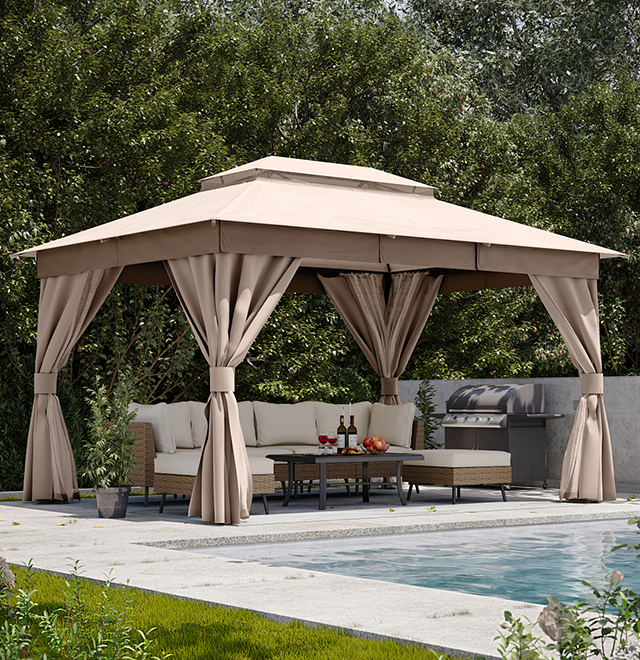
Selecting where and how to position your pergola can dramatically influence usability. For example, some homeowners struggle with placing pergola posts or finding the right orientation for shade coverage and pathways. Even a well‑designed structure can feel awkward if it blocks access, interferes with door swings, or creates unused space.
To avoid layout concerns:
In tight yards, a modular or custom‑fit design that follows natural sightlines can make all the difference between a cramped look and a cohesive outdoor area.
Many DIY builders or initial‑time designers turn to online forums with specific technical quandaries. Typical questions include how to join beams to posts, whether to include cross beams for rigidity, or how to finish wood with painting and weatherproofing.
Here are some useful structural tips based on community responses and design best practices:
Proper structural planning not only improves durability but also helps avoid unexpected costs down the road.
When designing a pergola, some recurring errors can compromise both form and function:
Incorrect size or placement can make a pergola feel overwhelming or underwhelming. If the structure is too large, it may dominate the space and leave outdoor areas feeling cramped. Too small, and it might not provide meaningful shade or presence. Designers often recommend proportioning the pergola to cover about 30–40% of a small outdoor space, creating visual balance without crowding.
A pergola’s posts must sit on stable, properly prepared ground. Relying solely on grass or uneven soil can cause instability and premature wear. Proper footings help prevent tilt or wobble over time, especially for tall wooden structures.
Climate and intended use should inform design choices. In areas prone to strong sun, consider additional shade solutions like retractable canopies or pergola covers to make the space comfortable year‑round.
Your pergola should complement not only your home but also your garden and yard features. Users have reported that landscaping around the pergola — such as vines, lighting, and ground covers — enhances its appeal and helps tie it into the wider backyard environment.
Other design integrations include:
These design touches enrich the pergola experience and make your outdoor area feel more intentional and welcoming.
At Linhai Jingda Arts & Crafts Co., Ltd., we understand that every backyard is unique. Whether you’re planning a cozy pergola nook for conversation or a shaded area for family gatherings, careful design decisions will pay off in long‑term enjoyment and aesthetics.
Your email address will not be published. Required fields are marked *
Copright © Linhai Jingda Arts & Crafts Co., Ltd. All Rights Reserved.

Custom Outdoor Leisure Patio Furniture Products