English
 русский
 Deutsch
Industry News

+86-576-85198260
Welcome to Linhai Jingda Arts & Crafts Co., Ltd.





Welcome to Linhai Jingda Arts & Crafts Co., Ltd.
Dec 19, 2025
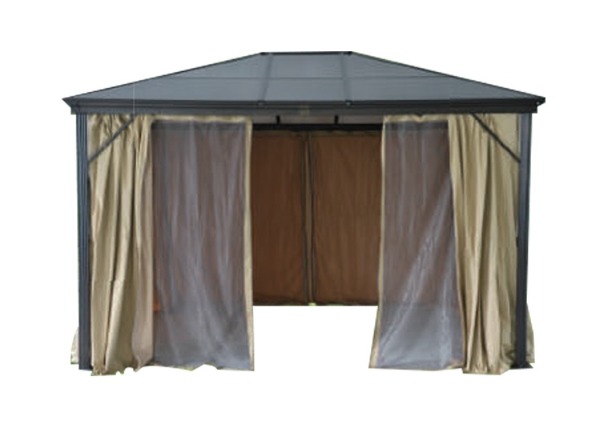
Ensuring that your patio deck can support an outdoor modern pergola is a key step in creating a safe, functional, and attractive outdoor space. By assessing load capacity, deck material, anchoring, and post placement, homeowners can enjoy their patio deck gazebo without compromising safety or durability. With professional guidance from Linhai Jingda Arts & Crafts Co., Ltd., you can confidently plan your installation and create a beautiful, sturdy outdoor retreat.
1. Assessing Deck Load Capacity
Every patio deck gazebo has a maximum load it can safely bear, usually measured in pounds per square foot (psf). A typical residential deck may support 40–60 psf, but pergolas and gazebos add significant weight due to posts, roof, and additional attachments. Start by checking your deck’s structural plans or consulting with a professional engineer to verify its capacity. Linhai Jingda Arts & Crafts Co., Ltd. often advises customers to consider both live loads (people, furniture, and gatherings) and dead loads (the structure itself) to avoid overloading the deck.

2. Material Strength of the Deck
Deck construction materials significantly influence its ability to support outdoor structures. Wooden decks built with pressure-treated lumber or hardwood generally provide solid support, while composite or lightweight decking materials may require reinforcement. Inspect beams, joists, and footings for signs of wear, rot, or weakness. Reinforcement may involve adding support posts, cross-bracing, or thicker joists to distribute weight effectively.
3. Size and Weight of the Pergola or Gazebo
The dimensions and material of your pergola or patio deck gazebo directly impact its total weight. Aluminum pergolas are lighter and generally easier for decks to support without extensive reinforcement. Wooden structures are heavier, especially large gazebos with solid roofs. When planning your outdoor installation, consider the pergola’s height, roof style, and whether additional features such as lighting, fans, or curtains will add extra load.
4. Foundation and Anchoring Requirements
Even if the deck can support the weight, proper anchoring is essential for stability, especially in areas prone to wind or heavy weather. Many pergolas and gazebos come with base plates or brackets that can be bolted directly to deck joists. Ensure that anchors do not compromise the structural integrity of the deck. For decks with limited thickness or older construction, reinforcing the connection points is recommended.
5. Spacing of Support Posts
Proper placement of pergola or gazebo posts ensures even weight distribution and prevents stress on any single area of the deck. Plan the post locations to align with deck joists or beams whenever possible. For larger outdoor modern pergolas, additional posts or cross-bracing may be necessary. Linhai Jingda Arts & Crafts Co., Ltd. provides guidance on post placement and design modifications to optimize stability without damaging the deck surface.
6. Professional Inspection and Planning
Before finalizing your purchase, a professional inspection can identify potential risks and suggest reinforcement solutions. Structural engineers or experienced installers can calculate load distribution, recommend anchoring methods, and ensure compliance with local building codes. Investing in proper planning reduces the risk of deck damage, structural failure, or safety hazards.
7. Considerations for Future Use
Think about how you plan to use your pergola or patio deck gazebo. Will it host large gatherings, heavy furniture, or outdoor appliances? Anticipating future use helps determine whether your deck requires additional strengthening or if a smaller, lighter pergola would be more suitable.
Your email address will not be published. Required fields are marked *
Copright © Linhai Jingda Arts & Crafts Co., Ltd. All Rights Reserved.

Custom Outdoor Leisure Patio Furniture Products