English
 русский
 Deutsch
Industry News

+86-576-85198260
Welcome to Linhai Jingda Arts & Crafts Co., Ltd.





Welcome to Linhai Jingda Arts & Crafts Co., Ltd.
Dec 12, 2025
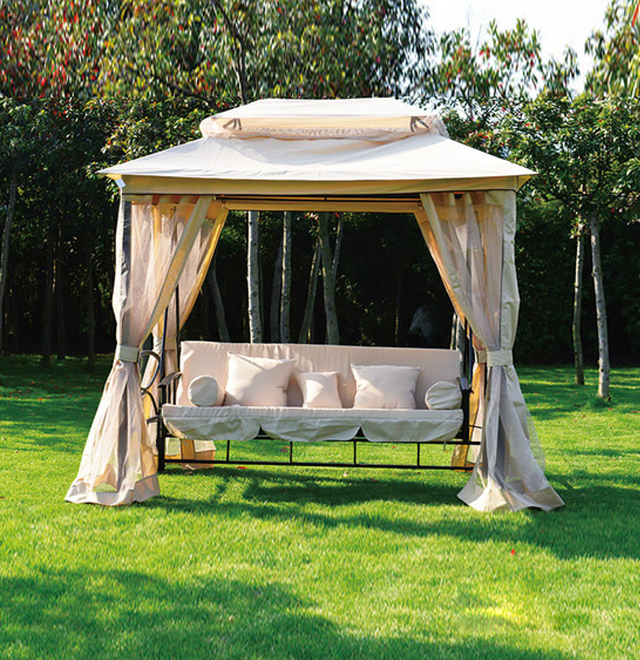
When considering an outdoor modern pergola or a patio deck gazebo, one of the initial questions many homeowners face is material selection. Aluminum and wood are two of the more common options, each offering unique characteristics that affect durability, maintenance, appearance, and overall user experience. Understanding their differences can help you make an informed choice that fits both your lifestyle and outdoor space.
1. Durability and Weather Resistance
Aluminum pergolas and gazebos are highly resistant to corrosion, rust, and insect damage. They maintain their strength and appearance over time even in regions with heavy rain, high humidity, or strong sunlight. Aluminum also withstands warping or splitting, which is sometimes a concern for wood under harsh weather conditions.
Wooden structures, however, offer a natural charm that aluminum cannot replicate. High-quality woods such as cedar, redwood, or teak are naturally resistant to decay and insects, but untreated or softwoods may degrade more quickly. Wooden pergolas require protective treatments such as staining, sealing, or painting to maintain longevity, particularly in areas with frequent rainfall or intense UV exposure.
2. Maintenance Requirements
One of the more notable differences between aluminum and wood is the maintenance effort. Aluminum pergolas and patio deck gazebos typically require minimal upkeep, often just an occasional wash with water and mild detergent to remove dust or debris. In contrast, wood structures demand periodic sealing, staining, or repainting to prevent cracking, discoloration, or insect damage.
3. Aesthetic Appeal and Customization
Wood offers warmth, texture, and a classic organic feel that blends seamlessly into gardens, backyards, or natural landscapes. Aluminum, in contrast, provides a modern, sleek look that suits contemporary or minimalist outdoor designs. Aluminum pergolas can be powder-coated in various colors, while wood can be stained or painted to match your patio deck, landscaping, or architectural style.
4. Weight, Stability, and Installation
Aluminum structures are lightweight, making them easier to handle during installation and less demanding on a patio deck’s load capacity. This can be especially useful for DIY projects or sites with limited access. Wooden pergolas are heavier, which can increase stability but may require reinforced footings or professional installation to ensure safety. Proper anchoring is crucial in both cases to withstand wind, rain, and seasonal changes.
5. Cost Considerations
Cost is often a deciding factor for homeowners. Aluminum pergolas may have a higher initial purchase price, but low maintenance and long-term durability often result in better value over time. Wood can be more affordable initially but may involve additional costs for treatment, maintenance, and potential repairs. Evaluating both upfront and long-term costs helps in choosing a material that suits your budget without compromising quality or aesthetics.
6. Adaptability and Accessories
Both aluminum and wood pergolas can be enhanced with accessories such as retractable canopies, lighting, or curtains. Aluminum’s lightweight frame often makes adding attachments simpler, while wood’s solid construction can support heavier or custom features. Thinking about potential upgrades or changes in outdoor use can influence material choice and design.
7. Matching Outdoor Spaces and Climate Considerations
Aluminum is ideal for areas prone to moisture, heavy rain, or insect activity, while wood excels in drier climates and gardens where natural integration is a priority. Assessing your outdoor environment ensures that your pergola or patio deck gazebo will remain functional and visually appealing for years.
Your email address will not be published. Required fields are marked *
Copright © Linhai Jingda Arts & Crafts Co., Ltd. All Rights Reserved.

Custom Outdoor Leisure Patio Furniture Products