English
 русский
 Deutsch
Industry News

+86-576-85198260
Welcome to Linhai Jingda Arts & Crafts Co., Ltd.





Welcome to Linhai Jingda Arts & Crafts Co., Ltd.
Oct 02, 2026
Backyard Porch Swings are becoming a practical addition to residential outdoor spaces as buyers look for seating that combines relaxation with useful space planning. For overseas retailers, landscape projects, and outdoor furniture distributors, product selection now involves more than visual style. Frame construction, hanging stability, weather exposure, seat comfort, maintenance, and installation requirements all affect whether a swing works well in everyday outdoor environments.
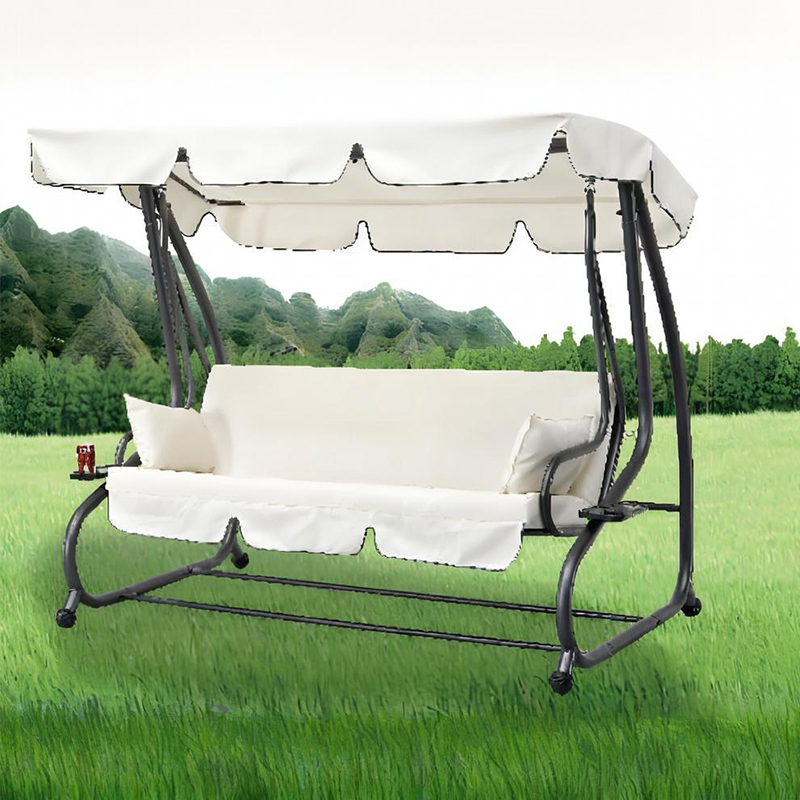
Outdoor seating must deal with sunlight, moisture, dust, and changing weather conditions. This makes material selection an important part of product development. Wood offers a natural appearance that suits traditional porches and garden settings, while metal and engineered outdoor materials can provide different approaches to structural strength and maintenance.
As a manufacturer, we consider the relationship between the frame, seating surface, fasteners, and finish during production. Instead of selecting a material based only on appearance, buyers should evaluate where the swing will be installed and how frequently it will be used. Covered porches may have different requirements from fully exposed garden areas.
A swing can look attractive while still creating problems if its suspension system is poorly matched to the overall structure. Chains, hanging points, brackets, connectors, and supporting beams all contribute to stability during movement. Uneven connections may cause unwanted swinging, noise, or stress on individual components.
For B2B buyers, suspension design should therefore be included in the product evaluation process. Manufacturers can provide installation guidance and component information so buyers can determine whether a selected swing is suitable for an existing porch structure or requires a dedicated support frame.
A comfortable outdoor swing needs a balanced seating structure rather than simply a thick cushion. Seat depth, backrest angle, armrest height, surface shape, and movement characteristics can influence how the product feels during longer periods of use.
Cushion design also affects maintenance. Removable covers, practical fabrics, and surfaces that are easy to clean can be useful for outdoor applications where dust, pollen, and occasional moisture are common. These details are particularly relevant for retailers developing outdoor furniture collections for regular residential use.
Many outdoor areas have limited floor space, so a swing should complement the layout rather than make movement around the area difficult. Compact porch designs can work well beside garden paths, seating zones, patios, or smaller covered areas when the installation space is planned carefully.
Freestanding models can provide flexibility where permanent overhead support is unavailable, while hanging models can integrate naturally into existing porch structures. Different seat configurations and finishes also allow buyers to match the product with wider outdoor furniture collections.
Maintenance requirements often become noticeable only after a product has been used for a period of time. Accessible hardware, practical surface finishes, suitable drainage, and easy-to-clean seating areas can make routine care more convenient.
For retailers and project buyers, these details can also influence customer satisfaction after purchase. A swing designed with maintenance in mind is easier to incorporate into residential developments, hospitality areas, rental properties, and outdoor living collections where practical upkeep matters.
Different markets may require different product appearances, packaging, fabrics, frame finishes, or seating configurations. Standard products may not always fit a retailer's existing collection, which is why OEM and ODM services can be useful for buyers developing private-label outdoor furniture.
From a manufacturing perspective, customization should cover more than surface appearance. Component compatibility, assembly procedures, packaging protection, and production consistency also need to be considered before mass production. This approach helps buyers develop a product that remains practical while matching their market positioning.
Outdoor seating works best when design decisions reflect actual user behavior. People may use a porch swing for reading, conversation, relaxing, or spending time with family, so stability, comfort, materials, and maintenance need to work together.
For overseas retailers, distributors, and project buyers, well-planned Backyard Porch Swings can provide functional seating while adding a distinctive feature to porches, patios, gardens, and other outdoor living areas.
Your email address will not be published. Required fields are marked *
Copright © Linhai Jingda Arts & Crafts Co., Ltd. All Rights Reserved.

Custom Outdoor Leisure Patio Furniture Products