English
 русский
 Deutsch
Industry News

+86-576-85198260
Welcome to Linhai Jingda Arts & Crafts Co., Ltd.





Welcome to Linhai Jingda Arts & Crafts Co., Ltd.
Apr 10, 2026
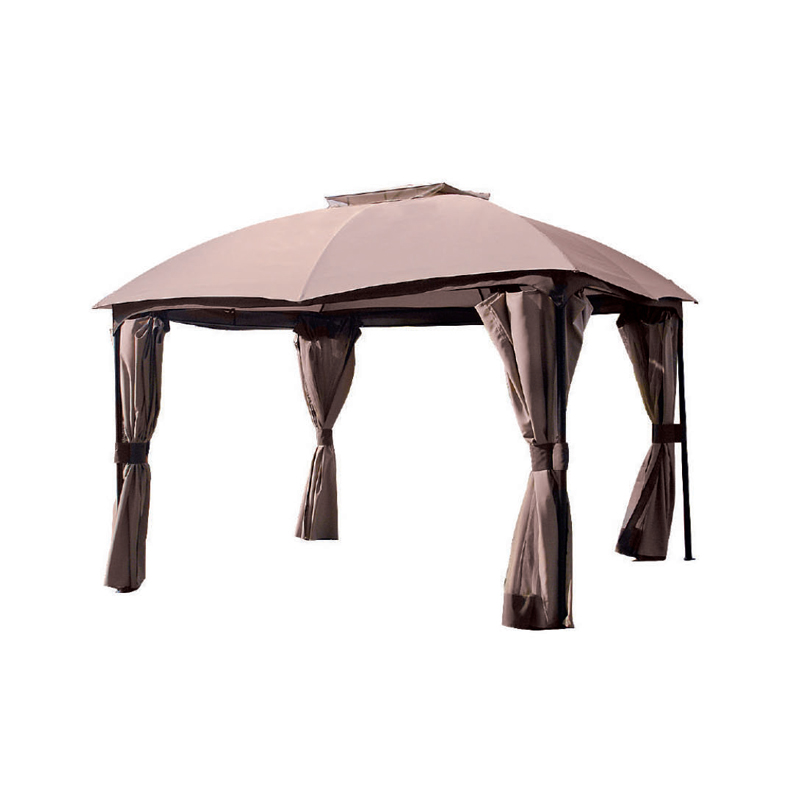
Comfort in outdoor spaces often comes down to details that might not be obvious at initial glance. How does roof venting affect Patio Gazebo comfort when natural airflow and heat management are major user concerns? Backyards and patios equipped with a shelter like an Outdoor Privacy Gazebo or a Grand Patio Gazebo can become more enjoyable when airflow reduces heat buildup beneath the canopy while still offering personal space. Forums and social platforms show many users are curious about the role ventilation plays in regulating temperature and comfort under covered outdoor structures.
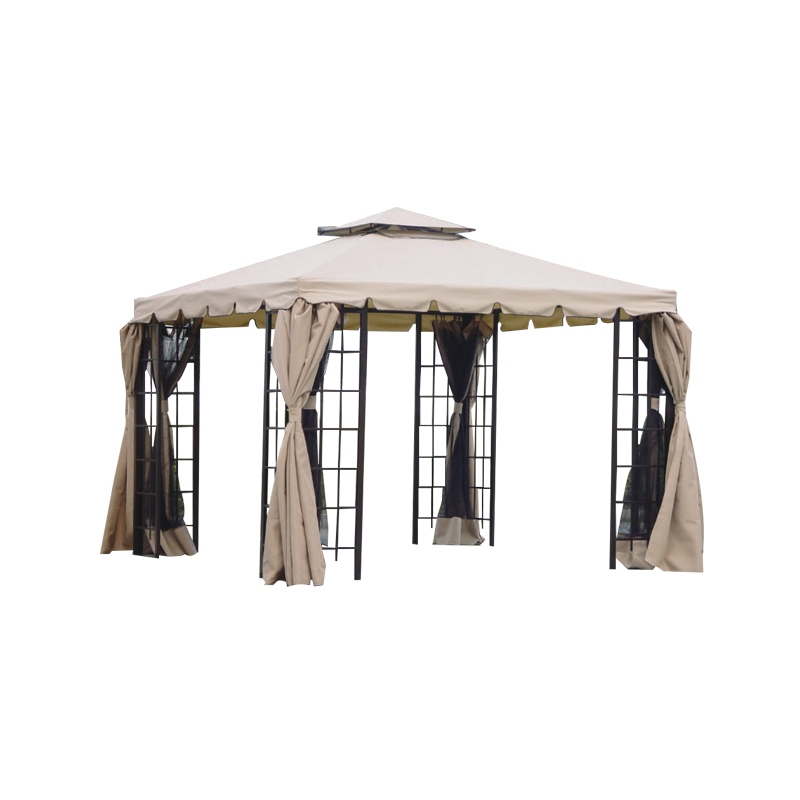
A roof vent or double-tiered canopy design is an answer many owners explore, especially when heat and airflow come up in discussions about comfort on hot summer days. A double vent roof, for example, is a canopy feature where two layers of roof material allow hot air to escape while letting cooler breezes circulate through the space below. This creates a “breathing shelter,” easing conditions beneath the structure without sacrificing shade.
Why Venting Matters in Gazebos
Outdoor structures with solid roofs can inadvertently trap rising heat beneath them. Many homeowners subjectively report that without some form of ventilation, air under the gazebo becomes stagnant and warmer than the surrounding open space. Users on social discussion boards commonly ask how much difference a vented roof makes and whether that added design element is effective enough to justify choosing one structure design over another.
The principle behind vented ceilings is straightforward: warm air naturally rises. By adding a ridge vent or double-tier at the top of the gazebo, hot air can escape through the upper layer rather than accumulating under the canopy. This reduces overall temperature under the gazebo and can make the shaded space feel noticeably more pleasant — especially during midday heat.
Balancing Privacy and Ventilation
One concern that often comes up among patio owners is whether increasing ventilation compromises privacy. Users considering an Outdoor Privacy Gazebo frequently ask if vents allow too much exposure or reduce privacy. The good news is that roof venting and side privacy features are independent design elements. A space can retain full privacy panels or curtains around its perimeter while still having roof vents that circulate air overhead.
Here are a few user-linked experiences and tips shared online:
Why Users Ask About Roof Design
Heat buildup and comfort under outdoor coverings are frequent topics in backyard community posts. Thread discussions show many homeowners weigh the added design complexity of vented roofs against simpler solid-roof kits. Some even compare single-roof and double-roof variations, noting that the double layer often helps reduce heat but may add to the installation effort.
At Linhai Jingda Arts & Crafts Co., Ltd., we’ve heard similar questions from customers evaluating patio gazebos. Many want to enjoy shade while still making the space usable throughout warm afternoons, and roof venting can be a key factor in achieving that comfort. Determining whether the structure is for lounging, dining, or year-round retreat can influence your choice of roof configuration.
Your email address will not be published. Required fields are marked *
Copright © Linhai Jingda Arts & Crafts Co., Ltd. All Rights Reserved.

Custom Outdoor Leisure Patio Furniture Products